Crossroads in Roman times
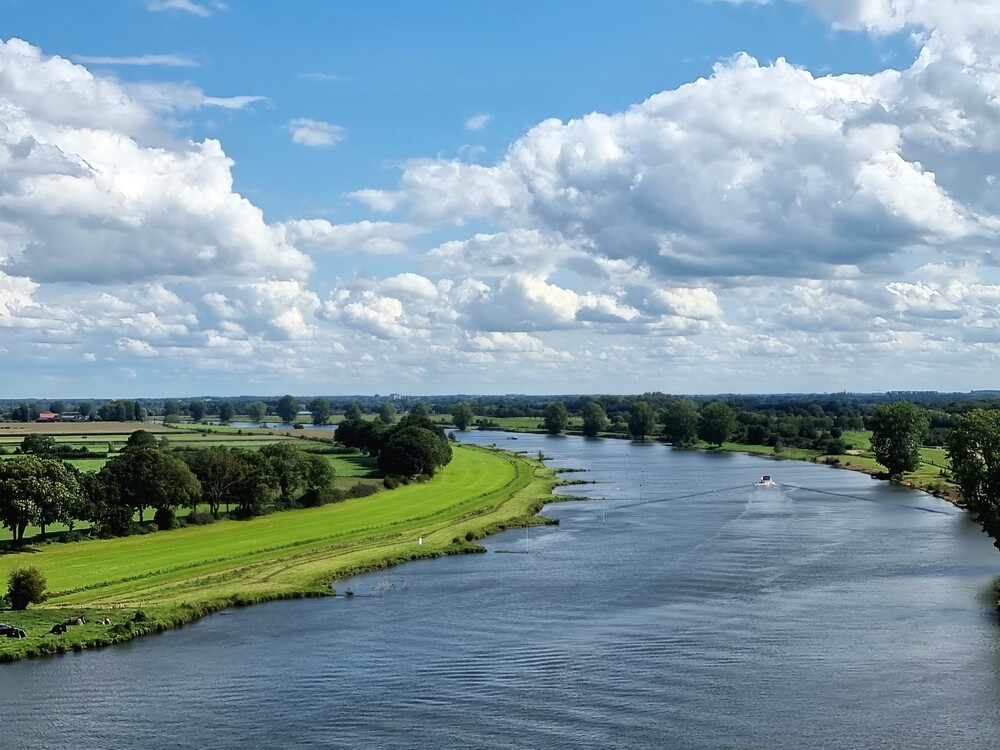
For the Romans, Cuijk—then still Ceuclum—was of great strategic importance. Not only because the roman fortress castellum was situated on the road from Nijmegen to Tongeren, which was important to the Romans, but also due to its location on the river Meuse. The Romans built their own bridge at Cuijk, the remains of which were found in the last century.
Many excavations from the Roman period are permanently exhibited in the Museum Ceuclum and the adjacent Archaeological Centre Cuijk.
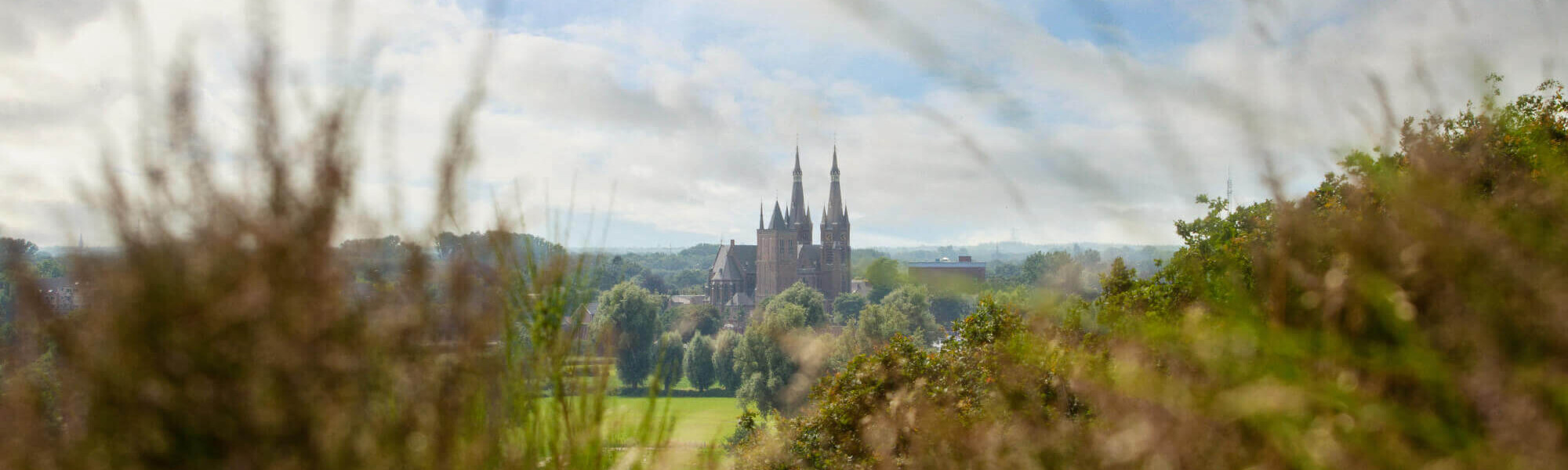
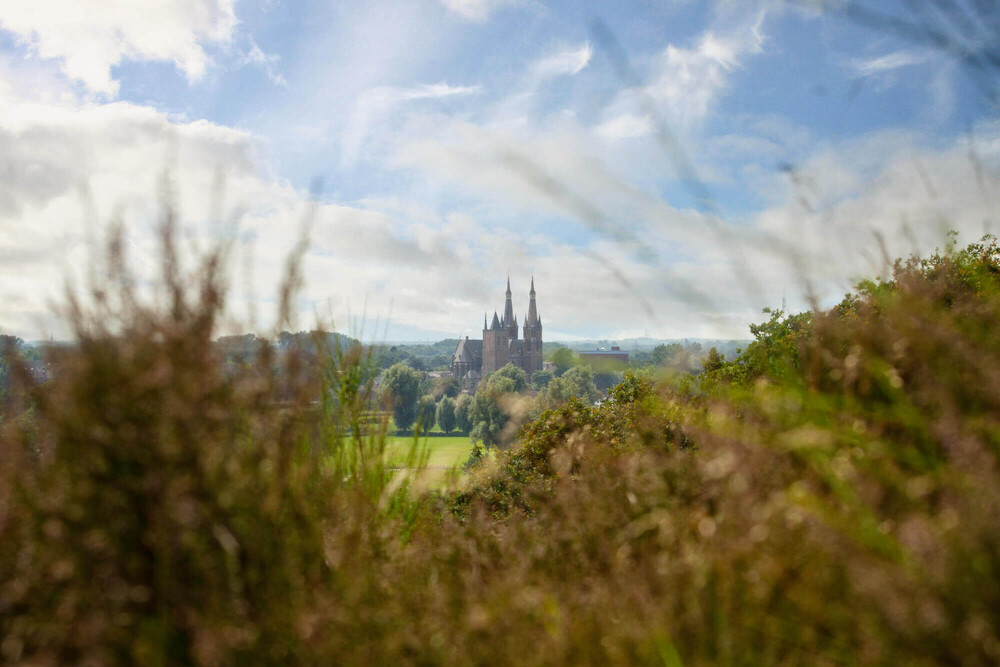
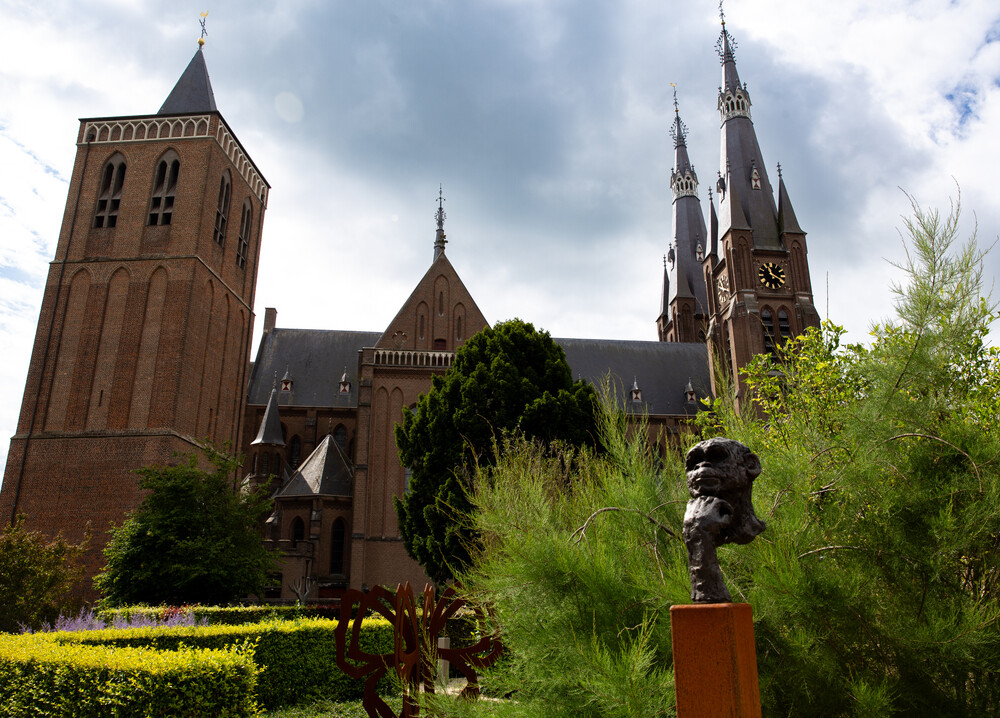
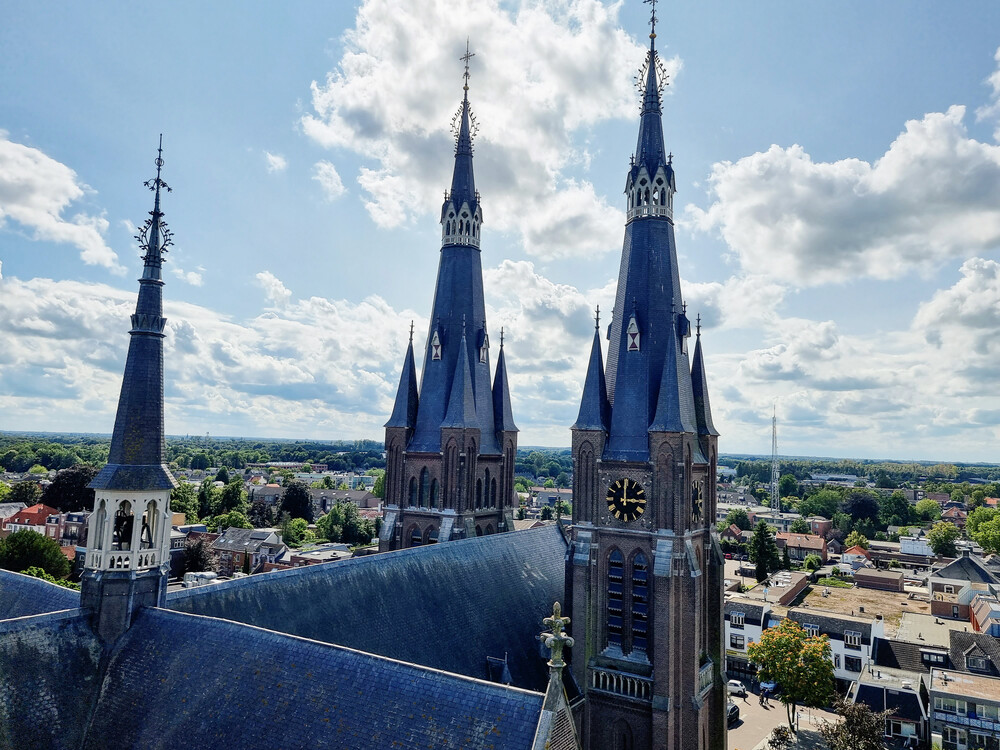
Tip: visit the culture street, featuring the Martinus Church, the archaeological center, Museum Ceuclum, and the Sculpture and Native Plant Garden, among others.
Cycling and walking routes
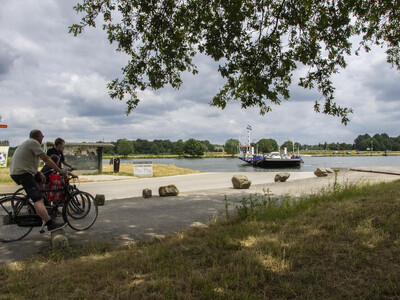
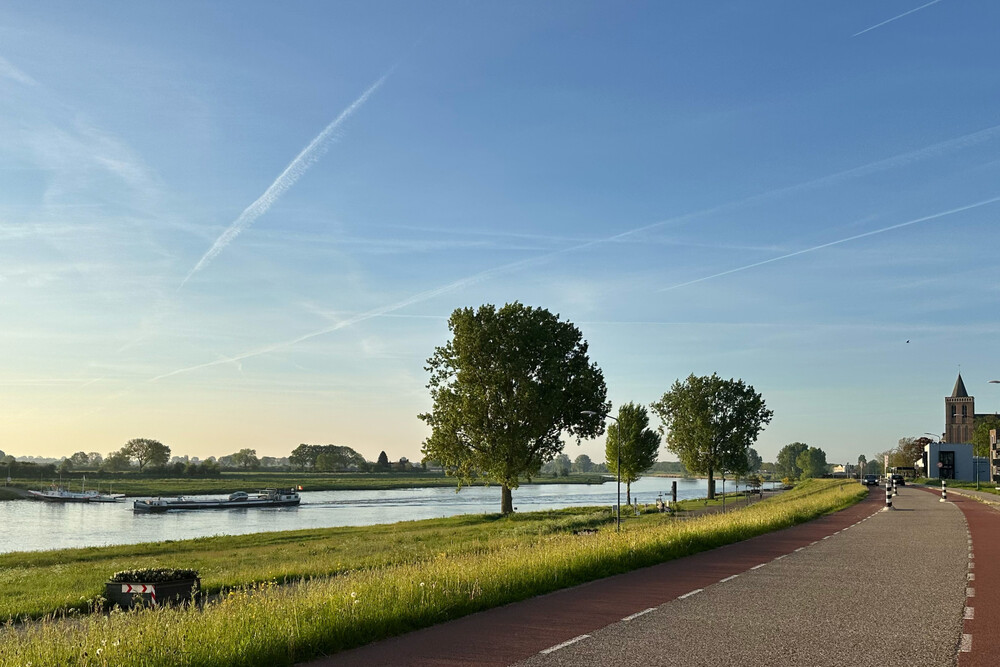
The name of this route perfectly indicates its special character. You cycle on both the Brabant and Limburg sides of the river Meuse.
Go to website
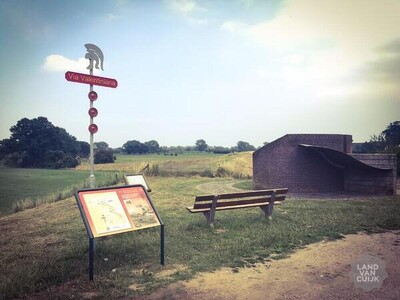
Together with residents of Boxmeer and Cuijk, a bicycle route has been mapped out along the Roman road: the Via Valentiniana.
Go to website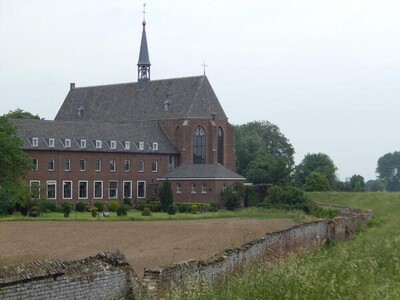
Take a stroll around the Crosier Monastery of Saint Agatha to soak up the lovely atmosphere of the surroundings.
Go to websiteFolk tales
A warning from the fog
A soldier on the road
In the year 175, Lucius Valerius, a Roman soldier, marched along the sandy roads of the area we now know as Katwijk. He wore the distinctive sandals of a Roman legionary, and his gaze swept over the vast landscape. The Meuse meandered slowly through the area, and although there was no stone bridge yet, there were wooden crossings that merchants and soldiers used to cross the river.
What is there to do within a 10 km radius?
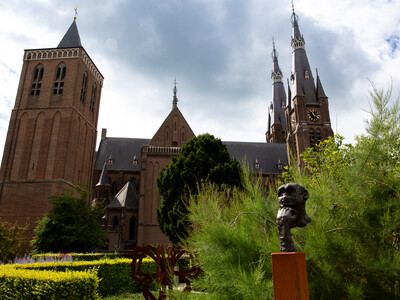
Behind the monumental Martinus Church in Cuijk lies the Sculpture and Native Plant Garden, with dozens of artworks and special shrubs and plants.
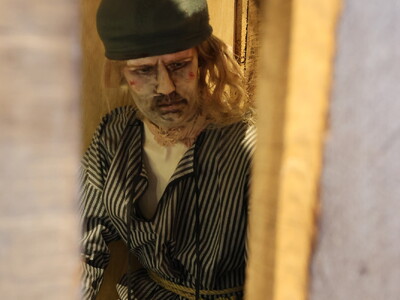
The Ceuclum museum is located in the 500-year-old tower of the Martinus Church in Cuijk.
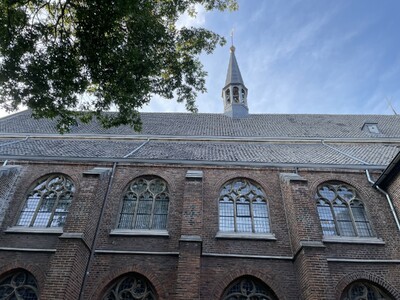
The Crosier Monastery in Sint Agatha is the oldest continuously inhabited monastery in the Netherlands.